
HISTORICAL KURSUNLU HAMAM
-
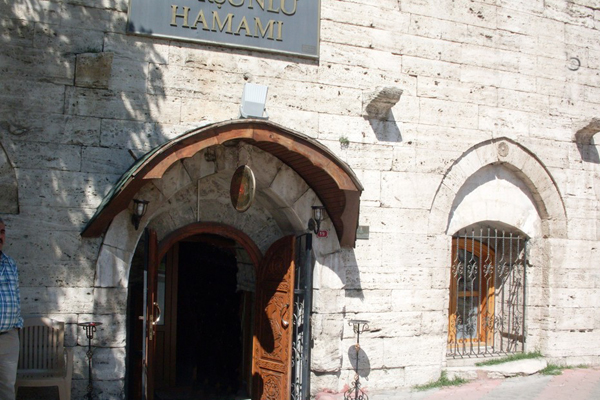 Hammam Entry
 -
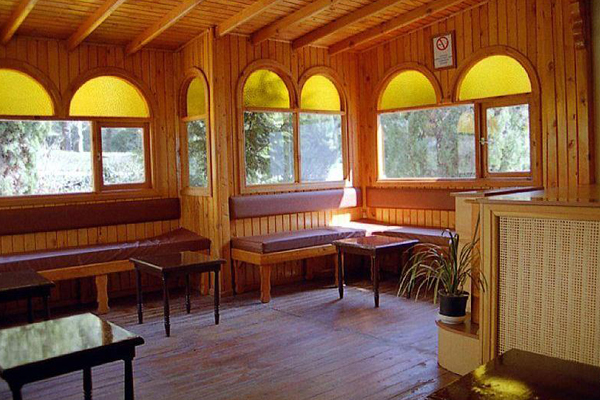 Relaxation Area
 -
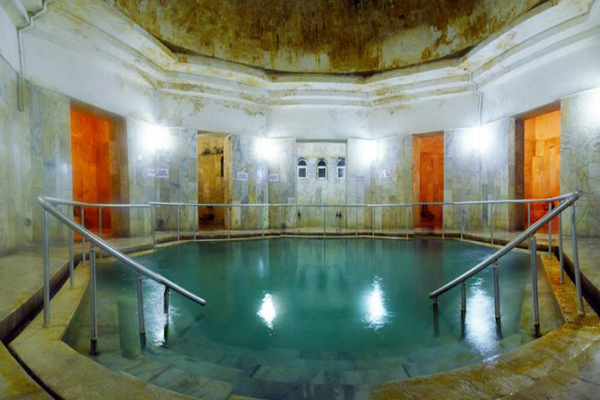 Pool
Pool -
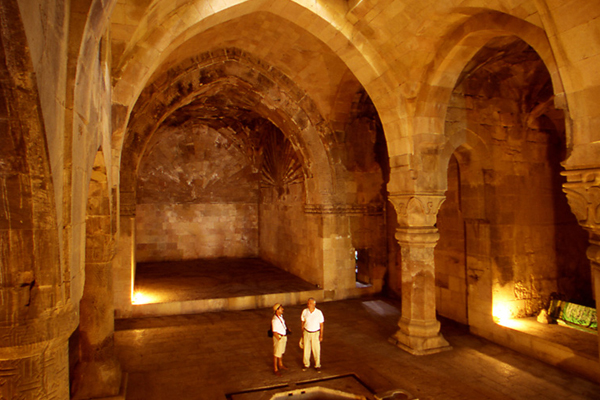 Health Museum
 -
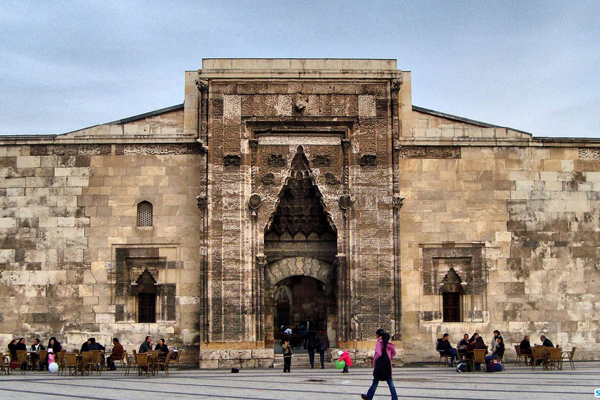 Buruciye Madrasa
 -
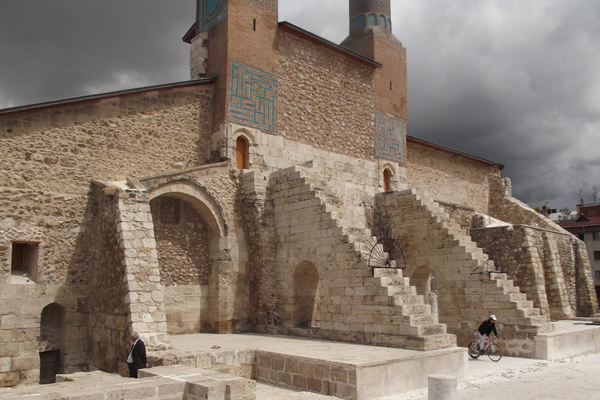 Double-Minaret
 -
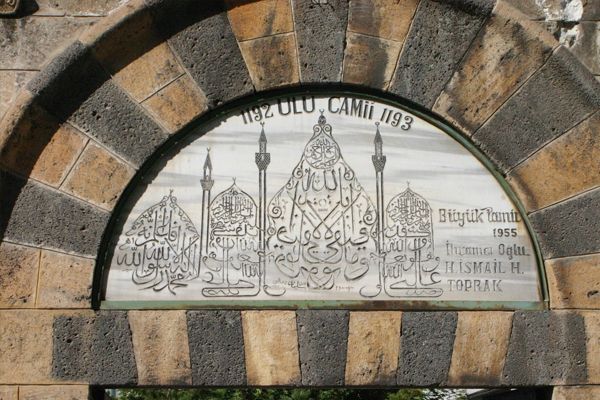 Great Mosque
 -
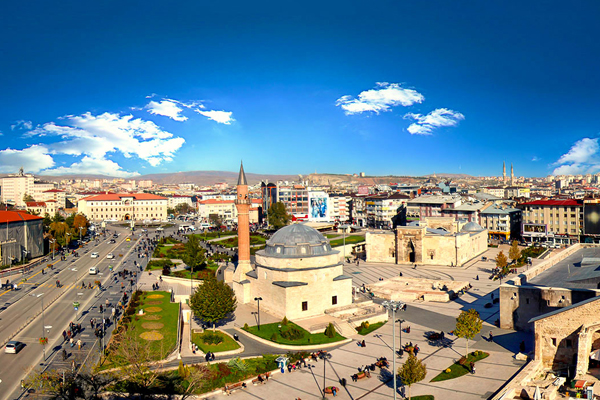 Sivas Square
HISTORICAL KURSUNLU HAMAM
This bath was built by Sultan Abdullah's son Behram Pasha in the time of Sultan Murad, the son of Selim Khan, in need of God's mercy. 984 (1576)
It was built in 1576 as a double bath by Belhram Pasha, as understood from his book. It reflects the characteristics of the classical baths of the Ottoman period in Sivas. The exterior is 32.50 x40.50 with a rectangular plan, the walls are built entirely of cut stone, with dome bricks. The men's section is entered through a pointed arched door on the south façade. The two windows on the right and left sides of the entrance are illuminated by a pointed arch. In the 11.85 x 11.85 scale square-shaped undressing section, the corners are crossed into octagonal casks with the help of tromps. There are four small windows with sharp arches in the hoist and a single dome is placed on the pulley.
The southeastern and southwestern corners of the bath continue to the beginning of the pulley. The dressing parts are the same in the male and female parts.
The narrow side of the warm section of the men's section is 5.25 moles in rectangular shape. In the warmth there are toilet and shaving. The rectangular area is covered with three equal dome over it.
The temperature section is covered by a single dome over four square eyelids with an internal dimension of 14 × 14 m. The dome dome is elliptical. The four cells in the corners are measured at 3.70 x 3.70 m and covered with a dome.
On the north side of the bath, there is a rectangular water reservoir after the temperature section and a cowhide section covered by a barrel vault behind it.
This double bath consisting of the women and men section is known as the Kurşunlu Hamam among the people because it was constructed by pouring lead through the iron connections on the body walls of cut stone.
It is recorded in Sivas Şehri that the bath which was a depressed in 1928 was used as a salt store by the Diyun-ı Umumiye Administration. (Denizli, Hikmet, Sivas History and Monuments, Sivas 1998, pp. 146-147.)
The bath, which is still well-maintained, is open to service with male and female sections.